
The Five Elements & Tridosha Dynamics
Ayurveda—literally translated from Sanskrit as the 'Science of Longevity'—is built upon the foundational truth that human beings are an inseparable microcosm of the macrocosmic universe. The five fundamental elements (Pancha Mahabhutas: Space, Air, Fire, Water, Earth) combine in unique biological pairings to govern all physiological and psychological activities within the human body:
- Vata (Space + Air): Governs kinetic movement, nervous impulses, circulation, respiration, and elimination. When aggravated by irregular schedules, travel, and sensory overstimulation, it manifests as anxiety, insomnia, dry skin, and constipation.
- Pitta (Fire + Water): Manages metabolic transformation, digestion, enzyme production, body temperature, and intellect. Excess Pitta triggered by hot foods, stress, and workaholism results in acid reflux, inflammatory skin eruptions, and irritability.
- Kapha (Water + Earth): Provides biological structure, lubrication of joints, cellular cohesion, and immune resilience. When stagnant, it produces sluggish digestion, weight gain, congestion, and mental lethargy.
Dinacharya: Aligning with Circadian Biological Rhythms
Centuries before modern chronobiology discovered circadian gene clocks, classical Ayurvedic texts outlined Dinacharya—a synchronized sequence of daily health practices designed to harmonize internal metabolic shifts with the solar cycle. In contemporary life, aligning with these natural windows provides remarkable stability:
- Brahma Muhurta (04:30 - 06:00 AM): Waking before sunrise allows you to absorb the peaceful Vata-dominated morning atmosphere, ideal for meditation, breathwork, and bowel elimination.
- Midday Pitta Peak (11:30 AM - 01:30 PM): When the sun reaches its zenith, internal digestive fire (Agni) is at its most potent. This is the optimal time for the day's heaviest, most nutrient-dense meal.
- Evening Transition (06:00 - 10:00 PM): Kapha energy dominates, promoting cooling and grounding. Consuming a light meal before 7:30 PM and dimming artificial blue screens enables natural melatonin release.
Ahara: Food as Medicine & The Six Ayurvedic Tastes
In modern dietary dogma, food is frequently reduced to macronutrients and calorie counts. In contrast, Ayurveda recognizes Shad Rasa—the six distinct tastes (Sweet, Sour, Salty, Pungent, Bitter, Astringent)—each carrying specific elemental energies and therapeutic biochemical effects on the gut microbiome.
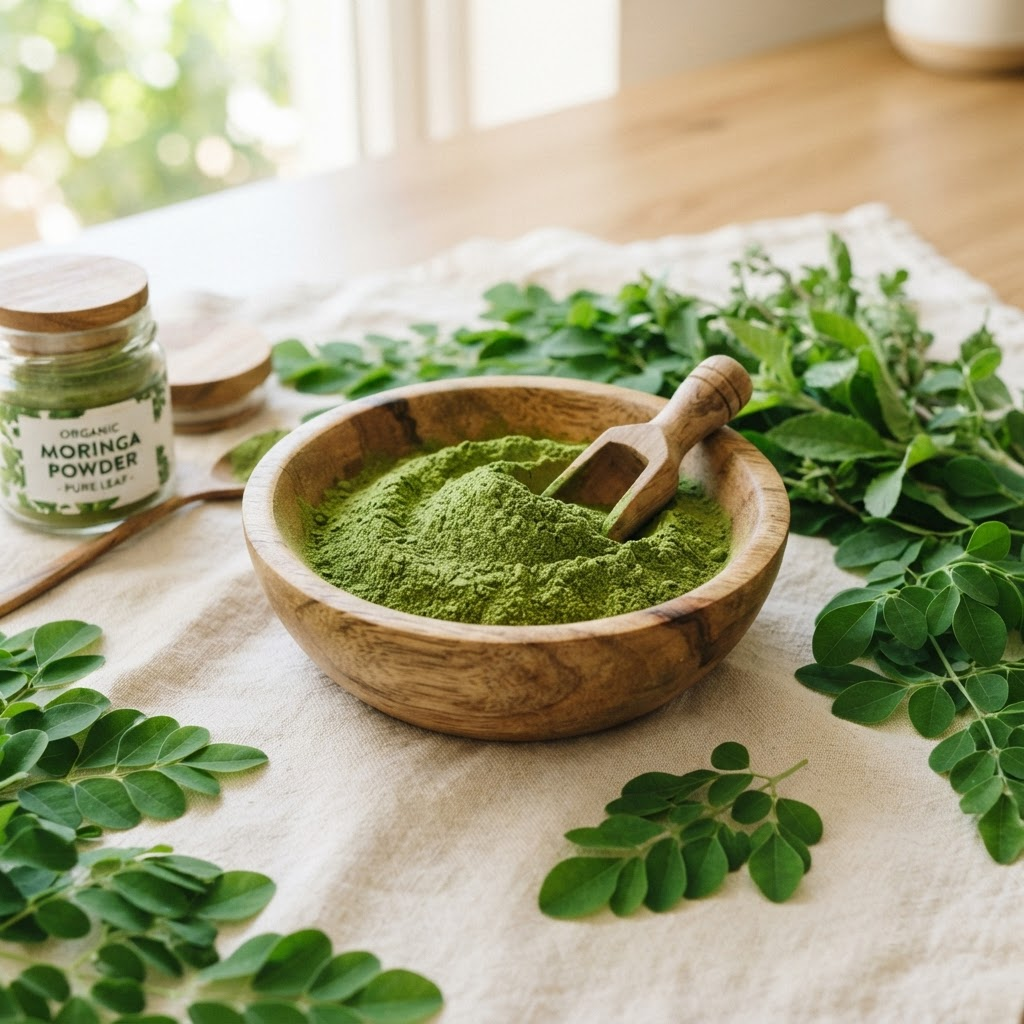
Modern Western diets are overwhelmed with sweet, salty, and refined fats, leaving bitter, pungent, and astringent tastes severely neglected. Incorporating concentrated natural botanical powders—such as bitter Amla, pungent Ginger, astringent Triphala, and cooling Moringa—restores broad-spectrum enzyme stimulation and rebalances systemic metabolic signaling.
Integrating Adaptogenic Herbal Powders into Modern Routines
Maintaining vibrant health does not require complicated decoctions or hospital retreats. Simple, consistent daily habits yield deep systemic benefits:
- Morning Awakening Tonic: Whisk 1/2 teaspoon of pure Green Moringa Powder and 1/4 teaspoon Ginger Powder into warm water with a dash of lime juice to cleanse the gut and fuel mitochondrial alertness.
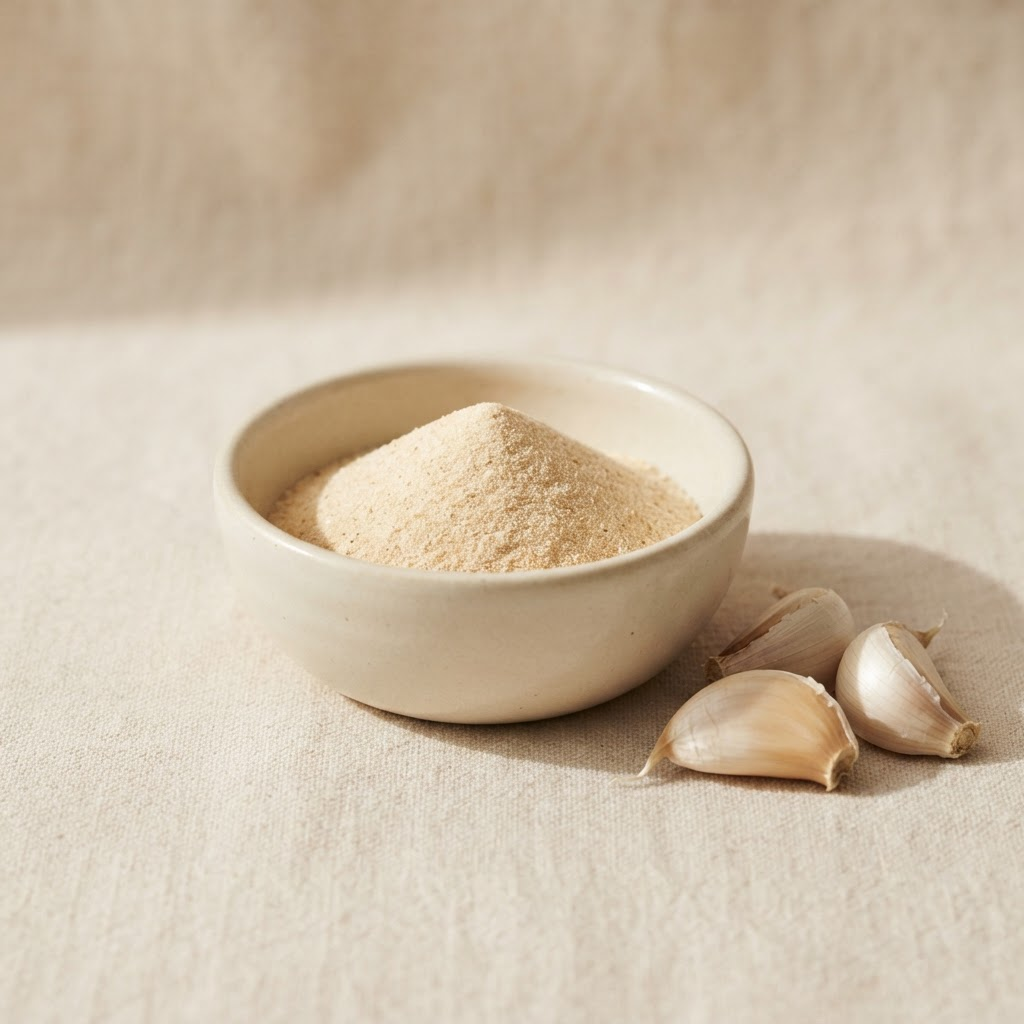
- Midday Digestif: Sprinkle fresh Cumin, Turmeric, and single-clove Garlic Powder over lunchtime lentils and roasted vegetables to enhance nutrient assimilation.
- Evening Sleep & Stress Elixir: Simmer 1 teaspoon of Ashwagandha Powder in warm oat or dairy milk with a pinch of nutmeg and cinnamon 45 minutes before sleep to calm excessive evening cortisol.
Agni (Digestive Fire) & Toxin (Ama) Management
Ayurvedic pathology maintains that all systemic disorders originate from impaired Agni. When digestive fire is sluggish, food cannot be broken down completely, fermenting into a sticky, endotoxic metabolic residue known as Ama. Accumulation of Ama coats the tongue, clogs micro-circulatory channels (Srotas), and triggers chronic immune inflammation.
Regular consumption of tri-doshic natural botanical formulations—particularly pure Triphala powder (the classical trinity of Amla, Haritaki, and Bibhitaki) taken with warm water at bedtime—gently scrubs intestinal villi, stimulates liver bile flow, and promotes natural detoxification without creating laxative dependency.