
The Botanical Synergy of Zingiberaceae Rhizomes
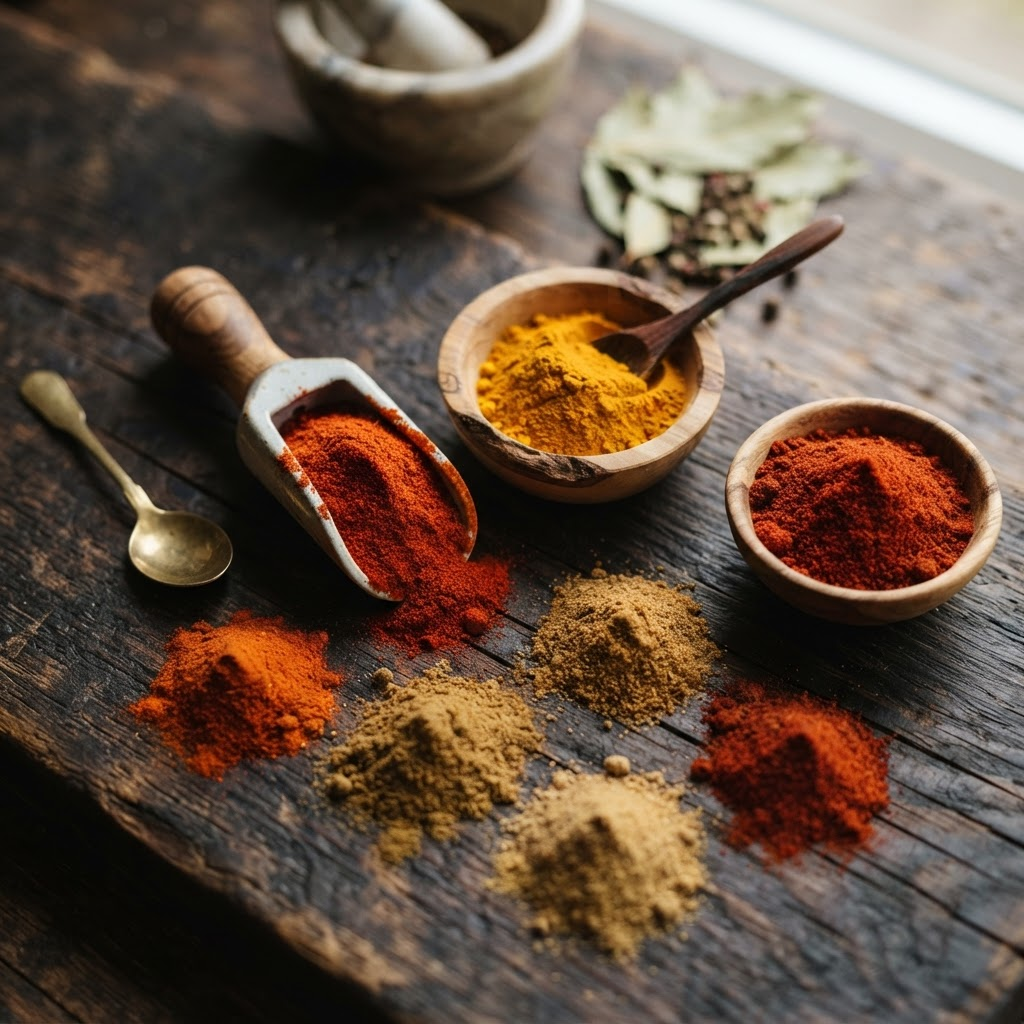
Belonging to the esteemed botanical family Zingiberaceae, turmeric (Curcuma longa) and ginger (Zingiber officinale) represent the twin pillars of traditional Eastern culinary spice craft and Ayurvedic healing. While commonly treated as humble kitchen condiments, their subterranean rhizomes produce some of the most potent natural anti-inflammatory, antioxidant, and immunomodulatory phytochemicals known to nutritional science.
When administered together, these botanical cousins exhibit a clinically documented pharmacological synergy. Turmeric's lipophilic polyphenol curcumin targets chronic systemic inflammatory cascades by suppressing Nuclear Factor-kappa B (NF-κB), while ginger's pungent phenolic gingerols and shogaols modulate cyclooxygenase (COX-2) and lipoxygenase pathways, providing rapid soothing relief to both the gastrointestinal tract and musculoskeletal system.
Curcuminoid Chemistry & Single-Origin Erode Sourcing
Not all turmeric powder is created equal. Commercial commodity turmeric sold in retail supermarkets frequently yields a meager curcumin concentration of between 1.5% and 2.0%, having been degraded by sun-bleaching or extracted for oleoresin. At Jugrajj Food & Herbs, our turmeric is single-origin sourced from the legendary turmeric heartland of Erode, Tamil Nadu, celebrated globally for its high primary rhizome density.
Our Erode turmeric consistently delivers a certified curcuminoid concentration of ≥ 3.5% (comprising curcumin, demethoxycurcumin, and bisdemethoxycurcumin), verified via spectrophotometric assay and HPLC. Furthermore, our strict raw-material intake testing guarantees zero presence of synthetic colorants like metanil yellow or hazardous industrial adulterants like lead chromate, ensuring uncompromised purity for baby food formulators and dietary supplement capsules.
Gingerols, Shogaols & Digestive Thermogenesis
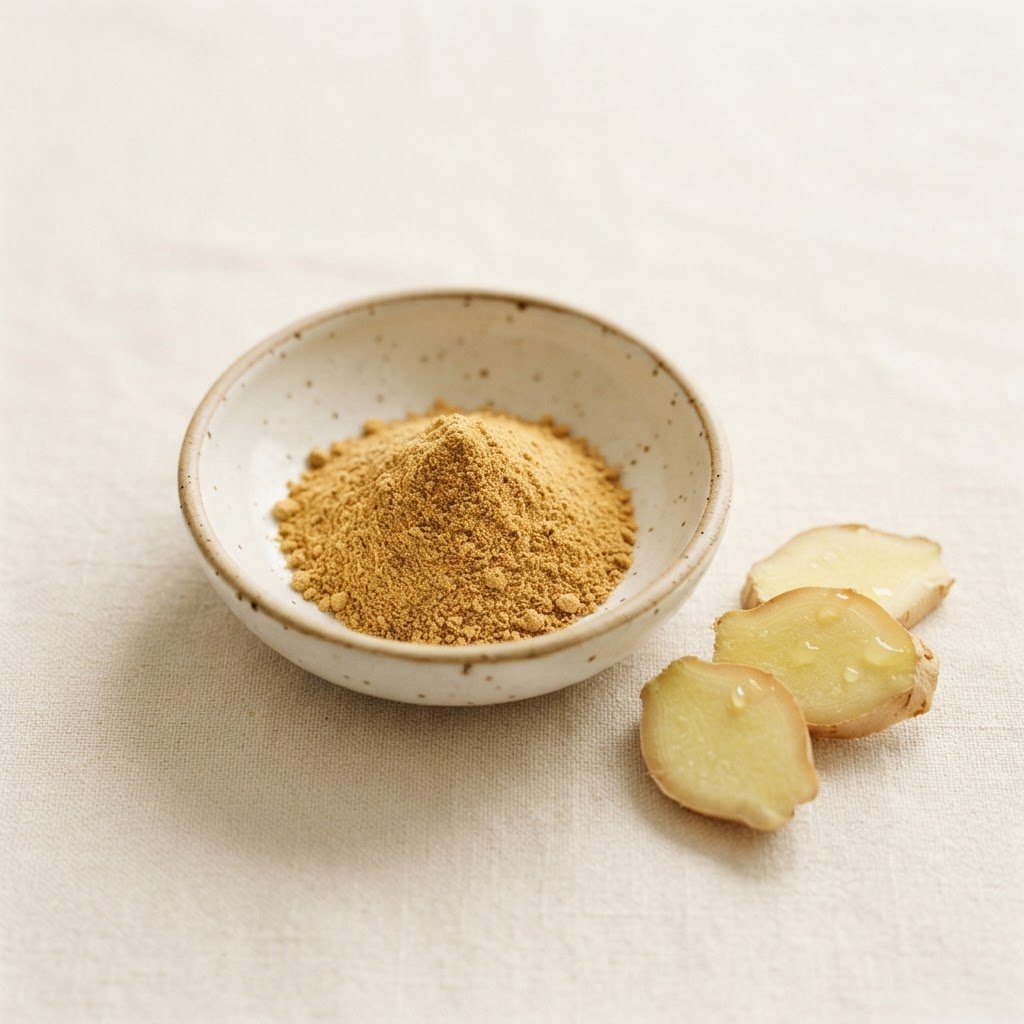
Ginger rhizomes derive their distinctive zesty warmth and therapeutic properties from a homologous series of phenolic ketones known as gingerols (principally [6]-gingerol). Upon gentle post-harvest thermal drying, gingerols partially dehydrate into shogaols, compounds that possess roughly twice the pungency of gingerols and demonstrate intense neuroprotective and anti-emetic activities.
In human digestion, ginger acts as a potent prokinetic agent, accelerating gastric emptying, stimulating salivary and bile secretions, and relieving abdominal distension. For functional beverage makers and nutritional blenders, our pure dehydrated ginger powder delivers a standardized gingerol content of 5.5% to 6.2%, maintaining a light cream-tan coloration with no fibrous woody residue.
Bioavailability Enhancement: Piperine & Lipid Carriers
A primary pharmacological challenge associated with curcumin is its low systemic bioavailability—caused by poor aqueous solubility, rapid intestinal metabolism, and rapid hepatic clearance. To overcome this hurdle in commercial product formulations, several natural strategies are utilized:
- Black Pepper Synergy (Piperine): Co-administering standardized black pepper extract containing 95% piperine (in a 100:1 ratio) inhibits glucuronidation in the liver and gut wall, amplifying curcumin bioavailability by up to 2,000%.
- Lipid-Based Formulations: Because curcuminoids are intensely lipophilic, emulsifying turmeric powder in medium-chain triglyceride (MCT) oils, coconut milk powder, or traditional grass-fed ghee facilitates micellar absorption through intestinal lymphatic vessels.
- Thermal Water Dispersion: Traditional Indian preparation involves gentle simmering in hot water or milk, which increases the water solubility of curcumin by over twelve-fold compared to cold dispersion.
Cryogenic Milling & Industrial Food Applications
Standard industrial hammer mills generate friction temperatures upwards of 70°C to 90°C during pulverization. These elevated temperatures boil off volatile aromatic terpenes (such as zingiberene, curcumene, and turmerone), darkening product color and producing a scorched flavor note. Jugrajj Food & Herbs utilizes advanced cryogenic and ambient temperature-controlled milling.
By pre-cooling rhizomes prior to pin-milling, heat buildup is restricted to under 38°C. This maintains the essential volatile oil matrix (≥3.0% in turmeric, ≥1.8% in ginger), producing an ultra-fine 80-100 mesh powder that flows effortlessly through automated pouch filling and encapsulation lines without clumping or dusting.